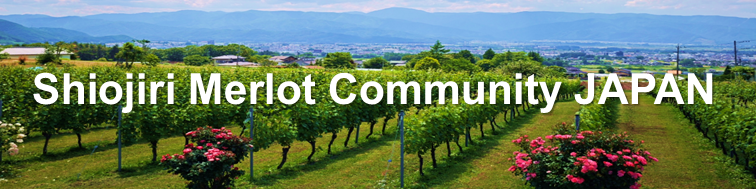
Iwadarehara is written as 岩垂原 in Kanji characters. Iwa (岩) means “rock,” Tare (垂) refers to something hanging like a chain, and Hara (原) signifies a wilderness or open field. This region is characterized by gravelly soil, and its name is said to have originated from the abundance of stones that emerge when the fields are dug up.
Iwadarehara is a terrace plateau located on the left bank of both the Kozobe River, which flows into the Narai River, and the Narai River itself. It rises approximately 20 to 30 meters above the riverbed, where rice cultivation is also practiced. The terrain of Iwadarehara consists of a dry, stone-laden terrace covered with volcanic ash soil. The area extends roughly 5 kilometers from north to south and 2.5 kilometers from east to west, featuring a gentle slope that descends from an elevation of 720 meters to 660 meters.
During the Edo period, farmers from surrounding villages cultivated crops in the area. In the Meiji era, as sericulture flourished, vast mulberry plantations were established. However, with the decline of the silk industry, Mino early-maturing daikon radishes became widely cultivated from the early Shōwa period until the prewar years. Shinshu Takuan pickles were made from Iwadari Daikon, which was shipped to the Kanto and Kansai regions. Additionally, fruit orchards for grape and apple cultivation were developed.
After World War II, the government designated the region as a vegetable production area, prompting a shift from traditional grain-based agriculture to vegetable farming. As a result, the area became one of Japan’s leading lettuce-producing regions.
Reference: Shiojiri City Records 1995 参照:『塩尻市の集落の歴史』塩尻市誌(1995年)